

Eco-Friendly Paint Trends: How Green Building Standards Are Shaping Modern Home Interiors
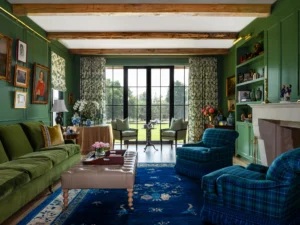
Eco-Friendly Paint Trends: How Green Building Standards Are Shaping Modern Home Interiors
Introduction
In recent years, the concept of home interiors has evolved beyond aesthetics and luxury. Homeowners today are increasingly aware of the environmental impact of construction materials, especially paints. With the rise of green building standards and sustainable living practices, eco-friendly paints have become a crucial element of modern interior and exterior design.
Eco-friendly paints not only enhance the visual appeal of a space but also contribute to better indoor air quality, reduced environmental damage, and healthier living conditions. As we move towards a more sustainable future, understanding these paint trends is essential for homeowners, architects, and builders alike.
What Are Green Building Standards?
Green building standards are guidelines designed to reduce the environmental impact of buildings throughout their lifecycle. These standards focus on energy efficiency, water conservation, waste reduction, and the use of eco-friendly materials.
Some widely recognized green building certifications include:
-
LEED (Leadership in Energy and Environmental Design)
-
IGBC (Indian Green Building Council)
-
GRIHA (Green Rating for Integrated Habitat Assessment)
Paints play a significant role in achieving these certifications, as traditional paints often release harmful chemicals into the air, affecting both human health and the environment.
Understanding Eco-Friendly Paints
Eco-friendly paints are specially formulated to minimize environmental harm and health risks. Unlike conventional paints, they contain low or zero levels of Volatile Organic Compounds (VOCs), which are responsible for strong odors and indoor air pollution.
Key Features of Eco-Friendly Paints:
-
Low or zero VOC content
-
Reduced odor during and after application
-
Non-toxic and safe for children and pets
-
Made using sustainable raw materials
-
Long-lasting durability with minimal maintenance
These paints help create a healthier indoor environment, making them ideal for homes, offices, schools, and hospitals.
Why Eco-Friendly Paints Are the Future of Home Interiors
1. Improved Indoor Air Quality
Traditional paints can release toxic fumes for months after application. Eco-friendly paints significantly reduce this risk, ensuring cleaner and fresher indoor air.
2. Healthier Living Spaces
Low-VOC paints help prevent headaches, allergies, respiratory issues, and long-term health problems, making homes safer for families.
3. Environmentally Responsible Choice
By reducing carbon emissions and chemical waste, eco-friendly paints support sustainable construction practices and environmental conservation.
4. Compliance with Modern Building Regulations
Many new residential and commercial projects now require materials that comply with green building norms, making eco-friendly paints a practical and future-ready choice.
Trending Eco-Friendly Colour Palettes for Modern Homes
Sustainable interiors often draw inspiration from nature. Some popular eco-friendly color trends include:
-
Earthy Tones: Terracotta, clay brown, sand beige
-
Nature-Inspired Greens: Olive green, sage, moss
-
Soft Neutrals: Warm whites, light greys, muted pastels
-
Biophilic Colors: Shades that connect indoor spaces with nature
These colors not only enhance visual comfort but also promote calmness and mental well-being.
How Eco-Friendly Paints Enhance Sustainable Interior Design
Eco-friendly paints work best when combined with sustainable design elements such as:
-
Natural lighting and ventilation
-
Wooden or recycled furniture
-
Minimalist décor
-
Energy-efficient lighting
Together, these elements create interiors that are both stylish and environmentally conscious.

Choosing the Right Eco-Friendly Paint for Your Home
When selecting eco-friendly paints, consider the following:
-
VOC certification and safety standards
-
Surface compatibility (walls, ceilings, exteriors)
-
Durability and washability
-
Color stability and finish
Consulting paint experts ensures the best results while maintaining sustainability goals.
The Future of the Paint Industry: Sustainability at the Core
The global paint industry is rapidly shifting toward sustainable innovation. Water-based formulations, biodegradable packaging, and energy-efficient manufacturing processes are becoming standard practices.
In India, the demand for eco-friendly paints is growing due to increased awareness, urbanization, and government initiatives promoting green construction. This shift marks a positive step toward responsible and future-focused living.
Conclusion
Eco-friendly paints are no longer a niche option — they are the foundation of modern, sustainable home interiors. By aligning with green building standards, these paints offer healthier living spaces, reduced environmental impact, and long-term value.
Choosing eco-friendly paints today means investing in a better tomorrow — for your home, your family, and the planet.
📞 Call us: +91 9591565193
📧 Email: adwitbirlaindustry.abi@gmail.com
🌐 Visit: www.adwaitbirlaindustryabi.in
Leave a Reply